How to Avoid Holiday Scams in 2025: 6 ways to Protect Your Wallet
Holiday scams have become more challenging to spot than ever, especially with the rise of AI in 2025.Even though the holiday season is the most wonderful time of the year, it is also the time when fraudsters and cybercriminals are most active.
Inboxes are flooded with “flash sales” and “last-minute deals,” and AI is now being exploited to create threats that look startlingly real, from fake delivery texts (smishing) to sophisticated voice-cloning charity fraud.It is getting harder to distinguish a genuine bargain from a trap, and one wrong click can easily turn holiday cheer into a financial disaster.
To help you stay safe, American Consumer Credit Counseling created this guide to break down six essential ways to protect your wallet from holiday scams in 2025.
Key Takeaways:
Secure your Wi-Fi network and use a VPN when on public Wi-Fi.
6 ways to Protect Your Wallet from Holiday Scams in 2025
1.
Recognize the “5 Big” holiday scams in 2025
According to the 2024 FBI Internet Crime Report, there were 193,407 Phishing/Spoofing complaints, resulting in consumers losing a total of $70,013,036.Therefore, knowing what to look for is the best defense against the five big holiday scams in 2025.
Top Holiday Scams to Watch For in 2025
Scam Type
How It Works
The Red Flag
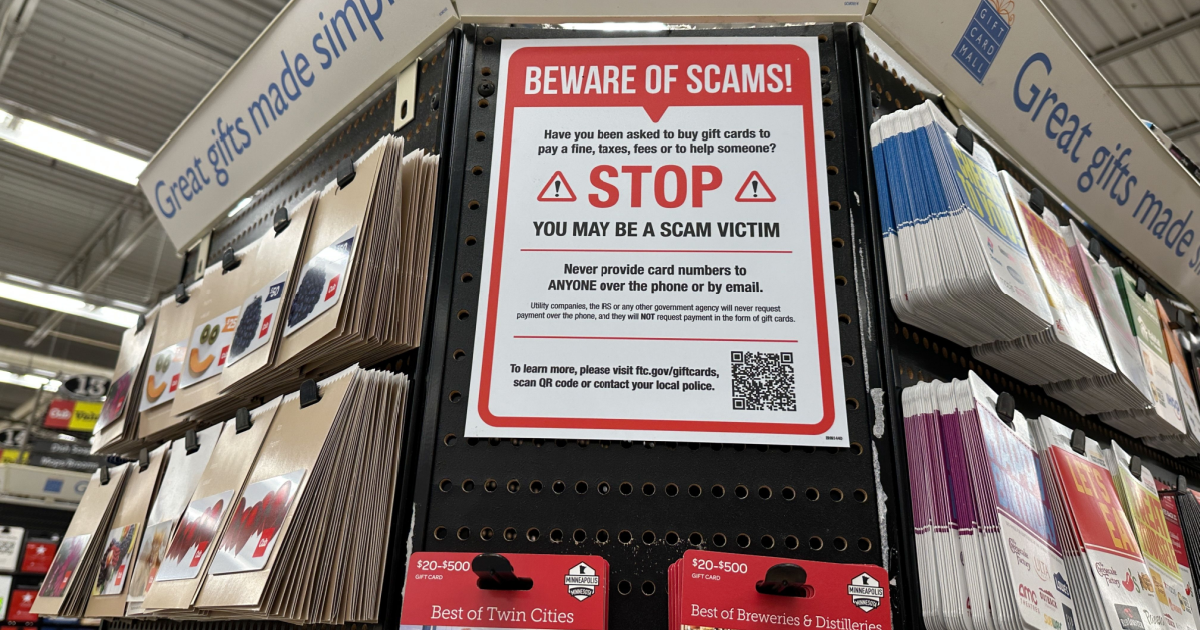
Phishing Emails Emails mimicking retailers (e.g., Amazon, FedEx) with links to steal data.Sender address has typos (e.g., [email protected]).Fake Online Stores Fraudulent sites copying real brands to steal credit card info.Prices are unrealistically low; the site lacks reviews.Gift Card Fraud Seller demands payment via gift card (Apple, Google Play, etc.).No legitimate business ever asks for payment via gift card.Charity Scams Fake organizations are exploiting holiday generosity.
The charity name sounds similar to a real one, but it isn’t on Charity Navigator.Non-Delivery Scams You buy a product that never arrives, or sell one and never get paid.Seller refuses to use secure platforms (like PayPal Goods & Services).
2 .
Strengthen your online security
As noted by The New York Times Wirecutter, “While you’re updating your passwords, turn on two-factor authentication for online accounts that support it.Enabling this feature, along with a unique password, makes your online accounts much harder for strangers to access and adds only a few seconds to your routine.”
Here’s how you can strengthen your online security
This requires a second form of verification, such as a text message code, in addition to your password.
3.Shop smart, Shop safe
As you hunt for the best deals, keep safety at the forefront:
If you must shop, use mobile data to make purchases rather than public Wi-Fi.
4.Monitor your financial accounts regularly
Don’t wait until your monthly statements to check unauthorized transactions.Make it a habit to keep track of your accounts on a regular basis.
Enable these alerts to stay informed of activity on your accounts.
5.Educate yourself and loved ones
Scammers often target vulnerable demographics because they are easier to reach and less tech-savvy.
6.
Action Plan: What should I do if I fall for a scam?
Here’s what to do if you have been targeted.
Reach out to a nonprofit like ACCC for a [to help prioritize your remaining bills and avoid falling into a debt cycle while the bank investigates.
Secure Your Finances in 2025
Protecting your wallet this holiday season requires more than hope; it requires action.By treating every unsolicited message with skepticism and locking down your accounts with 2FA and strong passwords, you can stop scammers before they strike.
Remember: If a deal looks too good to be true, it is.Don’t let the pressure of “last-minute 2025 deals” cloud your judgment.
Need Help Managing Holiday Debt? If you are feeling overwhelmed by holiday expenses or are recovering from a financial setback, you don’t have to navigate it alone.American Consumer Credit Counseling (ACCC) is here to help you regain control.
Frequently Asked Questions
Q: What are the most common holiday scams I should be aware of?
A: The most common holiday scams in 2025 include AI-generated phishing emails, fake delivery texts (smishing), and QR code fraud (quishing).
2025 has seen a rise in “quishing”—where scammers paste fake QR codes over real ones on parking meters or mailers to steal payment data.Be wary of any text message claiming a “delivery delay” that asks you to click a link.
Q: Is it safe to buy items directly from social media ads?
A: It is risky; scammers often use AI to create fake storefronts on social platforms that vanish after collecting payments.Instead of clicking “Buy Now” on Instagram or TikTok, open a new browser tab and search for the retailer directly.If the store doesn’t exist outside of social media, or if the prices are 80-90% off, it is likely a scam.
Q: What should I do if I suspect I’ve fallen for a scam?
A: If you suspect you’ve fallen for a scam, immediately report it to your bank or credit card company, file a complaint with the Federal Trade Commission (FTC), and monitor your credit and bank statements for any unusual activity.
Q: What’s the safest way to pay for holiday shopping online?
A: Credit cards are the safest option because they offer federally mandated fraud protection (Zero Liability).
Avoid using debit cards and wire transfers.Also, try to avoid making direct peer-to-peer payments (like Zelle or Cash App) for retail purchases.If you are scammed using these methods, it is nearly impossible to get your money back.
Q: How can you tell if an online retailer or charity is fake?
A: Check their URL for inconsistencies such as misspellings.(Ex: Amaz0n.com) For charities, research them thoroughly on sites like Charity Navigator or GuideStar to ensure they are legitimate before donating.
Q: How can I strengthen my online security during the holiday season?
A: Strengthen your online security by using strong and unique passwords for each account, enabling two-factor authentication whenever possible, securing your Wi-Fi network, and using a VPN when accessing public Wi-Fi.
If you’re struggling to pay off debt, ACCC can help.
Schedule a free credit counseling session with us today.
Publisher: Source link

![Purchase $25 In Select Giftcards & Get $5 Off Your Next Shopping Order (Zift Zillions, Lowe’s & More) [Vons, Randall’s, Albertsons, Tom Thumb, Acme, Jewel, Shaw’s]](https://www.mycardopinions.com/wp-content/uploads/2026/03/Purchase-25-In-Select-Giftcards-Get-5-Off-Your.jpg)