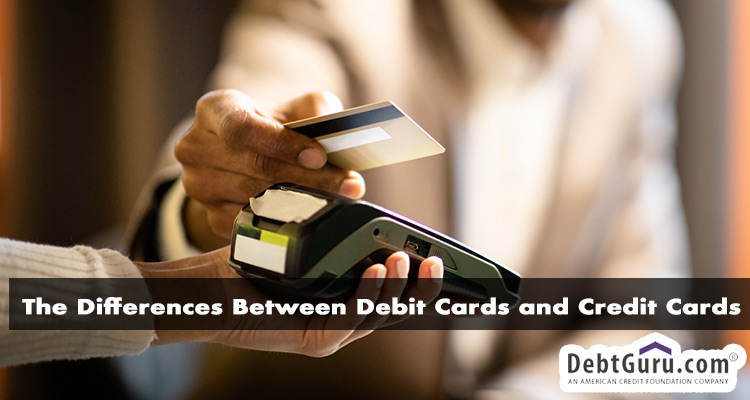
Credit Card vs. Debit Card: What’s the Difference?
If you’re comparing a credit card vs.a debit card, the biggest difference is where the money comes from.A debit card uses money directly from your bank account, while a credit card allows you to borrow money from a card issuer and repay it later.
That basic difference affects how you pay for purchases, whether you can be charged interest, how the card can affect your credit history, and what happens if you carry a balance.
Neither type of card is automatically better.The right choice depends on how you manage your money and what you’re trying to accomplish.
Credit Card vs.
Debit Card at a Glance FeatureCredit CardDebit CardWhere does the money come from?A line of creditYour bank accountAre you borrowing money?YesNoDo you have to repay what you spend?YesNo, because the money generally comes directly from your accountCan you be charged interest?Yes, if you carry a balance subject to interestGenerally no interest on purchasesCan it help build credit?Yes, when used responsibly and reported to the credit bureausGenerally noSpending limitYour available credit limitMoney available in your account, subject to account rulesRewardsMany cards offer rewardsSome debit cards offer rewardsATM accessUsually available as a cash advance, often with feesYes, generally through your bank accountCan it lead to credit-card debt?YesNo revolving credit-card balanceBest suited forBuilding credit, rewards and purchases when you can manage repaymentSpending money you already have and avoiding borrowing
What Is a Credit Card?
A credit card is a payment card that gives you access to a predetermined line of credit from a bank or other card issuer.
When you use a credit card to make a purchase, the card issuer generally pays the merchant on your behalf.You then owe that amount to the issuer.
You can usually make additional purchases as long as you have available credit.Each billing cycle, you’ll receive a statement showing your balance and the payment that’s due.
If you pay the statement balance in full and on time, you can generally avoid interest on purchases when your card’s terms provide a grace period.If you carry a balance, interest may be charged according to the card’s terms and annual percentage rate (APR).
Credit Cards and Your Credit Score
One of the biggest differences between credit cards and debit cards is their potential effect on your credit history.
Credit-card accounts can be reported to the major credit bureaus.
Using a credit card responsibly—such as making payments on time and keeping balances manageable—can help establish or maintain a positive credit history.
On the other hand, missed payments, high balances and other negative activity can hurt your credit.
Your credit utilization can also be an important factor in credit scoring.This is generally the amount of revolving credit you’re using compared with your available credit limits.
What Is a Debit Card?
A debit card is generally connected directly to a checking or savings account.
When you use a debit card to make a purchase, money is generally taken directly from your bank account rather than borrowed from a card issuer.
For example, if you have $800 available in your checking account and make a $100 debit-card purchase, the transaction generally reduces the amount available in your account by approximately $100.
Because you’re generally spending your own money, a debit card doesn’t create the same type of revolving credit balance as a credit card.
Do Debit Cards Build Your Credit?
Generally, no.
Ordinary debit-card purchases typically aren’t reported to the credit bureaus because you’re using money from your own bank account rather than borrowing money.
If your goal is to establish or improve your credit history, simply using a debit card generally won’t accomplish that.
Key Differences Between Credit Cards and Debit Cards
Although both cards can be used to make purchases in stores and online, they work very differently.
1.Where the Money Comes From
This is the fundamental difference between a debit card and a credit card.
With a debit card, the money generally comes from your bank account.
With a credit card, the money comes from a line of credit provided by the card issuer.You are responsible for repaying what you borrow.
2.
How Repayment Works
Debit-card purchases generally don’t require a separate repayment because the money is taken from your account as part of the transaction.
Credit-card purchases create a balance that you must repay.
You can generally choose to pay the entire statement balance or make a smaller payment, subject to the card’s terms and minimum-payment requirements.However, carrying a balance can result in interest charges and make purchases more expensive.
3.Interest and Fees
Debit cards generally don’t charge interest on ordinary purchases because you’re spending money already in your account.
Credit cards can charge interest when you carry a balance, depending on the card’s terms.
Credit cards may also have other fees, such as annual fees, late-payment fees or cash-advance fees.Debit cards can have their own fees, including certain ATM, overdraft or account-related fees, depending on your financial institution and account.
Always check the terms of your specific account or card because fees vary.
4.
Effect on Your Credit
Credit cards can affect your credit history and credit score because credit-card accounts may be reported to the credit bureaus.
Debit-card purchases generally don’t build credit.
This makes credit cards potentially useful for someone who wants to establish a credit history, but it also means that poor credit-card management can have negative consequences.
5.Spending Limits
A credit card generally has a credit limit.Your available credit decreases as you make purchases and generally becomes available again as you repay your balance.
A debit card generally draws from the money available in your bank account, although transaction limits, holds, overdraft arrangements and other account rules may apply.
The distinction is important: a credit card can allow you to spend money you don’t currently have in your bank account, while a debit card generally requires available funds in your account.
6.Rewards and Benefits
Many credit cards offer rewards programs, such as cash back, points or travel rewards.
Some debit cards also offer rewards, but credit cards tend to provide a broader range of rewards and cardholder benefits.
Rewards shouldn’t be the only factor you consider.
A credit card’s rewards may not be worthwhile if you regularly carry a balance and pay substantial interest.
7.Fraud and Consumer Protections
Credit and debit cards have different rules and protections concerning unauthorized transactions.
In general, credit cards provide strong federal protections against unauthorized use.Debit-card protections can depend on factors such as how quickly you report the unauthorized transaction and the circumstances involved.
If you notice a transaction you don’t recognize, contact your financial institution or card issuer promptly and follow its procedures for reporting unauthorized activity.
Advantages and Disadvantages of Credit Cards
Credit cards can be useful financial tools, but they also create the possibility of credit-card debt.
Advantages of Credit Cards
They can help build credit.Responsible use and on-time payments can help establish a credit history.
They can offer rewards.
Many credit cards provide cash back, points or other rewards.
They can provide additional benefits.Depending on the card, benefits may include purchase protections, travel-related benefits or other perks.
They can provide short-term payment flexibility.A credit card allows you to make a purchase and repay it later.
They can be useful in emergencies.Available credit can provide access to funds when you don’t have enough cash immediately available, although borrowing for an emergency can create debt and interest costs.
Disadvantages of Credit Cards
They can lead to debt.
It’s possible to spend more than you can comfortably afford to repay.
Interest can be expensive.Carrying a balance can result in interest charges.
Missed payments can damage your credit.Late payments and other negative activity can affect your credit history.
High balances can affect your credit.Carrying a large balance relative to your credit limit can increase your credit utilization.
Fees can add to the cost.
Depending on the card, you may encounter annual fees, late fees, cash-advance fees or other charges.
Advantages and Disadvantages of Debit Cards
Debit cards can be a useful option if you want purchases to come directly from money you already have.
Advantages of Debit Cards
You generally spend your own money.Purchases are typically deducted from your bank account rather than added to a revolving credit balance.
There is generally no purchase interest.Because you’re not borrowing money for an ordinary debit-card purchase, you generally don’t pay credit-card-style interest.
They can help you avoid credit-card debt.You can’t normally accumulate a revolving credit-card balance through ordinary debit-card purchases.
They’re convenient.
Debit cards can generally be used for everyday purchases, online transactions and ATM withdrawals.
Disadvantages of Debit Cards
They generally don’t build credit.Ordinary debit-card use typically doesn’t establish a credit history.
Money comes directly from your account.A fraudulent transaction or other account problem can affect funds in your bank account while the issue is being resolved.
Overdrafts may be possible.Depending on your bank and account settings, a transaction may result in an overdraft or related fee.
Rewards may be more limited.
Some debit cards offer rewards, but credit cards often provide more extensive rewards programs.
When Should You Use a Credit Card?
A credit card may make sense when you:
One of the most important habits with a credit card is to avoid treating your available credit as extra income.A credit limit tells you how much you can borrow—not how much you can necessarily afford to spend.
If possible, paying your statement balance in full and on time can help you avoid interest on purchases when your card’s terms provide a grace period.
When Should You Use a Debit Card?
A debit card may be a better choice when you:
For someone who tends to overspend with credit cards, using a debit card can be a simple way to limit purchases to money available in a bank account.
Is a Credit Card or Debit Card Better?
There isn’t one answer that applies to everyone.
A debit card may be better if your priority is spending money you already have and avoiding revolving credit-card debt.
A credit card may be better if you want to build credit, earn rewards or take advantage of certain card benefits—and you can manage the balance responsibly.
The most important distinction is that a credit card gives you access to borrowed money.That can be useful, but it also creates an obligation to repay what you spend.
If you regularly carry a credit-card balance, the interest you pay can outweigh the value of rewards or other benefits.
How Credit and Debit Cards Can Affect Debt
The difference between credit and debit cards becomes particularly important when you’re already dealing with debt.
A debit card generally uses money that’s already in your bank account, so ordinary debit-card purchases don’t create a revolving credit balance.
A credit card, however, allows you to borrow money and repay it later.If you don’t pay the balance in full, interest may increase the amount you ultimately pay.
For example, using a credit card to purchase something you can afford to repay in full can be very different from repeatedly charging purchases that you cannot afford and making only minimum payments.
If you’re already struggling with credit-card balances, adding more charges may make the problem harder to solve.
Understanding your interest rates, balances, minimum payments and repayment options is an important first step.
Depending on your circumstances, options for addressing unsecured debt can include budgeting, credit counseling, a debt management plan or other debt-relief strategies.The right option depends on your financial situation.
Frequently Asked Questions About Credit Cards and Debit Cards
What is the difference between a credit card and a debit card?
A credit card allows you to borrow money from a card issuer and repay it later.A debit card generally takes money directly from your bank account when you make a purchase.
Is a debit card better than a credit card?
Not necessarily.A debit card can be better if you want to spend money you already have and avoid borrowing.
A credit card may be better if you want to build credit or earn rewards and can responsibly repay what you charge.
Is it better to use a credit card or debit card?
It depends on your financial goals and spending habits.Credit cards offer the ability to build credit and may provide rewards and other benefits, while debit cards let you spend money directly from your bank account without creating a revolving credit balance.
Does using a debit card build credit?
Generally, no.Ordinary debit-card transactions typically aren’t reported to the credit bureaus, so they generally don’t build your credit history.
Does using a credit card build credit?
It can.Credit-card accounts may be reported to the credit bureaus.
Making payments on time and managing your balances responsibly can help establish a positive credit history.
Do debit cards charge interest?
Generally, no.Ordinary debit-card purchases use money from your bank account rather than borrowed money, so they don’t generally generate credit-card-style interest charges.
Do credit cards charge interest?
They can.If you carry a balance, interest may be charged according to the card’s terms and APR.Paying your statement balance in full and on time can generally help you avoid interest on purchases when the card provides a grace period.
Which is safer, a credit card or a debit card?
Both have protections against unauthorized transactions, but the rules and potential liability can differ.
Credit cards generally have stronger federal protections, while debit-card protections can depend in part on how quickly you report an unauthorized transaction.Contact your card issuer promptly if you see suspicious activity.
Can you withdraw cash with a credit card?
Usually, yes, but a credit-card cash advance can have different terms and fees from a normal purchase.A debit card generally allows you to withdraw money directly from your bank account at an ATM, subject to your account and bank’s rules.
Can a credit card help if you have debt?
A credit card can be useful when managed responsibly, but using additional credit to deal with existing debt can also increase what you owe.If you’re struggling with credit-card debt, it’s important to understand the interest costs and consider the repayment options available for your situation.
The Bottom Line
The main difference between a credit card and a debit card is simple: a debit card generally uses money you already have in your bank account, while a credit card lets you borrow money and repay it later.
Debit cards can help you avoid borrowing and keep spending tied to the money in your account.
Credit cards can help you build credit and may offer rewards and other benefits, but they can also lead to interest charges and debt if balances aren’t managed carefully.
The best choice depends on your financial situation, spending habits and goals.Understanding how each type of card works can help you choose the option that fits your needs—and avoid taking on debt you can’t comfortably repay.
If you still have questions about the differences between credit cards and debit cards, or want to talk to someone about debt management and repayment, please do not hesitate to give us a call at DebtGuru.com.Our friendly staff is here to help you every step of the way on your quest for financial knowledge and effective money management.
Publisher: Source link
![[FL, MI, OH & ?? AZ, CA, IN, NJ, NY, WI] Flagstar Bank $400-$500 Checking Bonus](https://www.mycardopinions.com/wp-content/uploads/2026/09/FL-MI-OH-AZ-CA-IN-NJ-NY.png)

![[WV, PA, OH, IN, KY, MD, In Branch] Wesbanco $300 Checking Bonus](https://www.mycardopinions.com/wp-content/uploads/2026/09/WV-PA-OH-IN-KY-MD-In-Branch-Wesbanco-300.png)